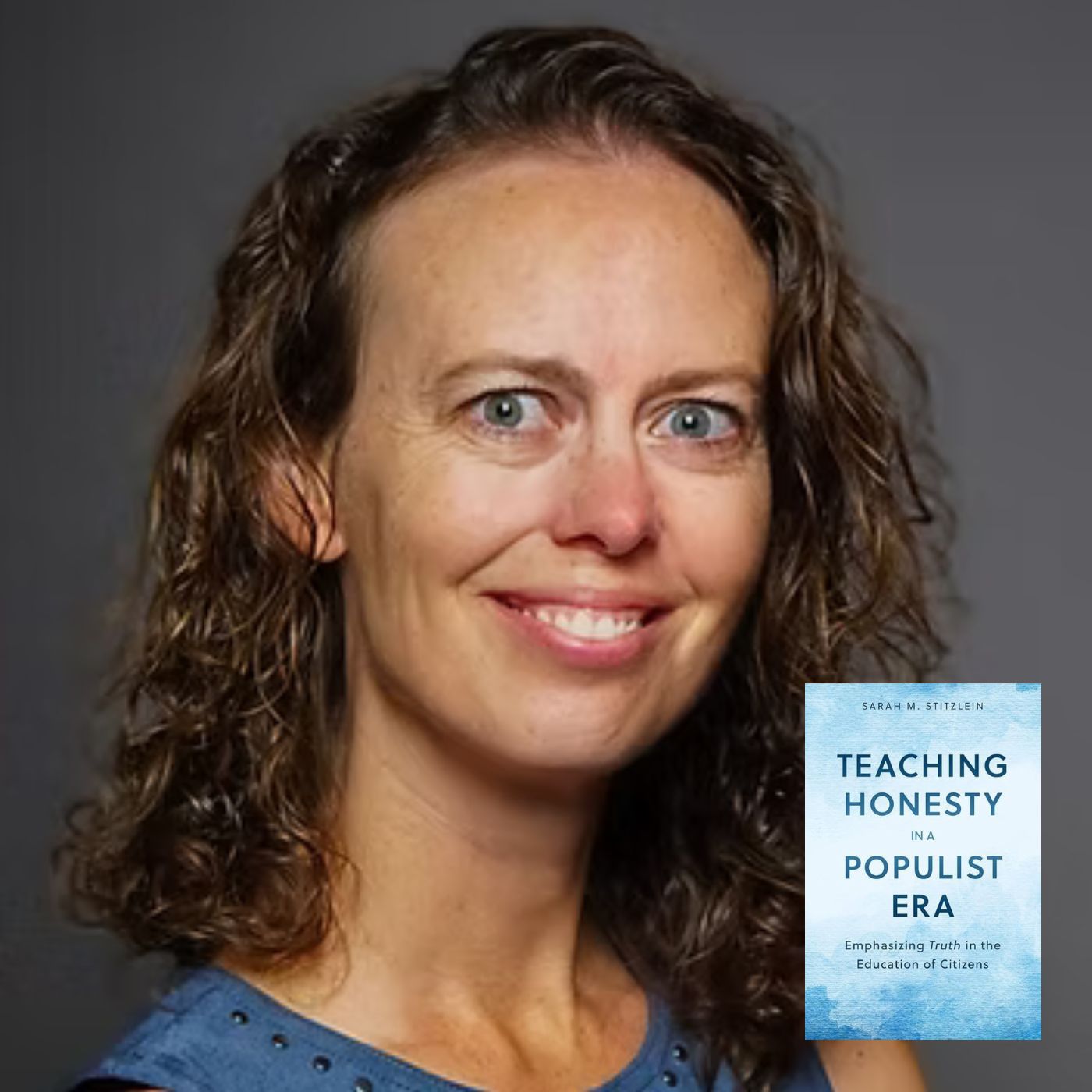
We talk with Sarah Stitzlein, author of "Teaching honesty in a populist era: Emphasizing truth in the education of citizens." Dr. Stitzlein, a professor of education and affiliate professor of philosophy at the University of Cincinnati, is concerned with how to teach in a political context where truth and honesty seem increasingly at risk. She contrasts the philosophical approaches of populism and the pragmatism of educational philosophers such as John Dewey.
Overview
00:00-00:41 Intros
00:41-02:10 Why the book and the title
02:10-03:15 Defining populism
03:15-04:24 Differences between left and right populism—book is mostly about right populism
O4:24-08:00 Contrasting populist and pragmatic notions of truth and honesty
08:00-09:55 Defining honesty, and what it looks like in a classroom context
09:55-11:59 Honesty as a habit, not just a virtue
11:59-13:13 Is there a difference between truth and reality?
13:13-15:36 A truth claim in an educational context
15:36-16:49 Doing honesty as a verb
16:49-21:15 Seeking truth versus seeking solutions
21:15-23:20 “Alternative facts”
23:20-24:22 Philosophy, ethics, and education
24:22-25:58 From honesty in the classroom to honesty in the wider world
25:58-27:41 Scalability
27:41-29:30 Ethical outlook on civics
29:3o-31:40 Connections between democracy and education
31:40-35:56 Impact of AI
35:56- Outro
Transcript
Click here to see the full transcript of this episode.
References
Book "Teaching Honesty in a Populist Era: Emphasizing Truth in the Education of Citizens" By Sarah Stitzlein
Soundtrack by Poddington Bear
We speak with Dr. Sam Abrams of the National Center for the Study of Privatization in Education (NCSPE) at Teachers College, Columbia University. Dr....
We speak with high school science teachers and trans men, Sam Long and Lewis Maday-Travis, who have developed resources and trainings to help biology...
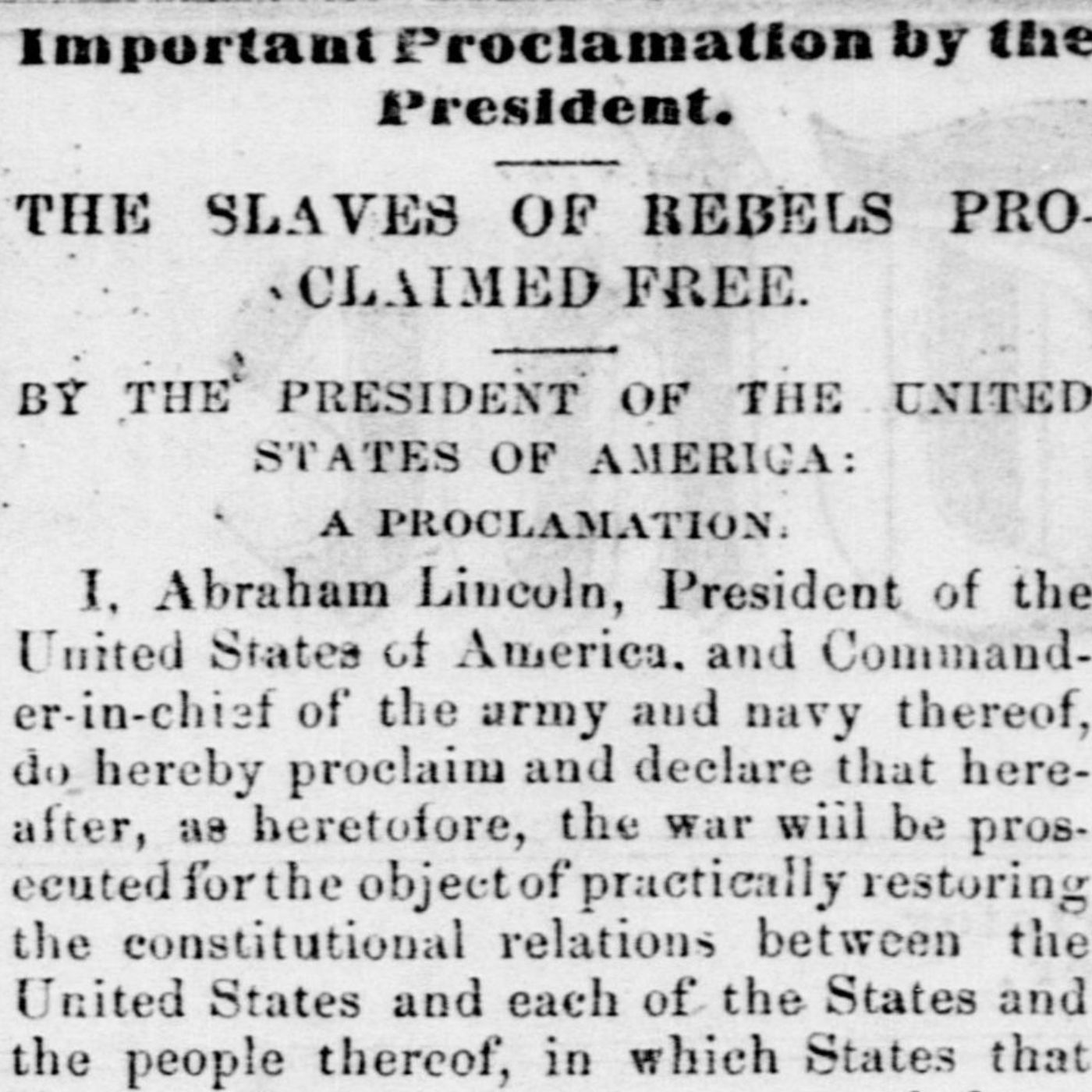
We speak with Lee Schere, Director of Teaching and Learning at the Office of K-16 Initiatives of CUNY about the Debating U.S. History Program,...